Regenerative Joint Treatments

Regenerative joint therapy is an ideal way to avoid risky surgery and long recovery periods when you suffer an injury or degeneration in a joint. For the best regenerative therapies, call the experts at Stem Cell Therapy NYC. Dr. Leon Reyfman and a team of experienced stem cell and platelet-rich plasma doctors describe what you can expect before, during and after regenerative joint treatments. If joint pain is interfering with your activities, call today for a consultation.

What Is Regenerative Joint Therapy?

Regenerative joint therapy is an advanced non-surgical treatment that repairs and rebuilds damaged joint tissues using your body’s natural healing processes. This treatment stimulates the growth of new healthy tissue to restore mobility and relieve pain. Joint regenerative treatment helps your body repair damaged cartilage, tendons, ligaments and other tissues naturally from the inside.

During treatment, Dr. Leon Reyfman and his team of regenerative medicine doctors at Stem Cell Therapy NYC take a small amount of blood, bone marrow or fat tissue, depending on the type of joint regeneration treatment being performed. This sample is processed to concentrate healing cells and growth factors. These biologic materials contain active cells that repair tissue damage and support joint regeneration. Key healing mechanisms in your body include:

  • Activating your stem cells to repair and rebuild damaged tissue
  • Releasing growth factors to enhance collagen and blood circulation
  • Lowering inflammation to speed up recovery
  • Encouraging new cell growth to make your joints stronger
  • Forming tiny blood vessels that deliver oxygen and nutrients

What Types of Regenerative Joint Treatments Are Available?

If you’re looking for natural ways to rehabilitate joint function or lessen pain, regenerative joint therapy provides several advanced options. The treatments use your body’s biologic natural substances and targeted stimulation methods to help your body heal joints instead of only easing symptoms. Common types of joint regeneration treatment include:

Bone marrow stem cell injection

Bone marrow stem cell injection, which uses stem cells taken from your bone marrow to repair damaged cartilage and promote long-term joint healing

Exosome therapy

Exosome therapy, which delivers powerful cellular messengers that boost communication between cells and accelerate healing

Platelet-rich plasma (PRP)

Platelet-rich plasma (PRP) that concentrates your blood’s platelets to promote faster tissue repair and reduce pain

Interstitial laser therapy

Interstitial laser therapy,which applies laser energy deep into tissues to enhance your cellular activity and reduce swelling

Ozone therapy

Ozone therapy,which delivers an oxygen-rich blend into your joint to boost circulation and promote tissue repair

Adipose tissue injection (MFAT)

Adipose tissue injection (MFAT),which uses regenerative cells derived from your fat to promote cartilage growth and improve joint stability

Alpha 2 macroglobulin

Alpha 2 macroglobulin to block the destructive enzymes responsible for cartilage breakdown and inflammation

Shock wave therapy

Shock wave therapy, applying sound waves to stimulate your circulation, relieve pain and activate tissue repair

Prolotherapy

Prolotherapy to deliver a natural solution that stimulates your body’s healing process and reinforces weakened ligaments

Laser therapy

Laser therapy, which uses targeted light energy to decrease stiffness and improve joint movement

These joint regeneration procedures offer various advantages, depending on your condition, its severity and the tissues involved. At Stem Cell Therapy NYC, your care involves a combination of medical expertise and advanced regenerative technology. Your treatment is designed around your unique needs to deliver the best results.

Which Conditions Can Regenerative Joint Therapy Treat?

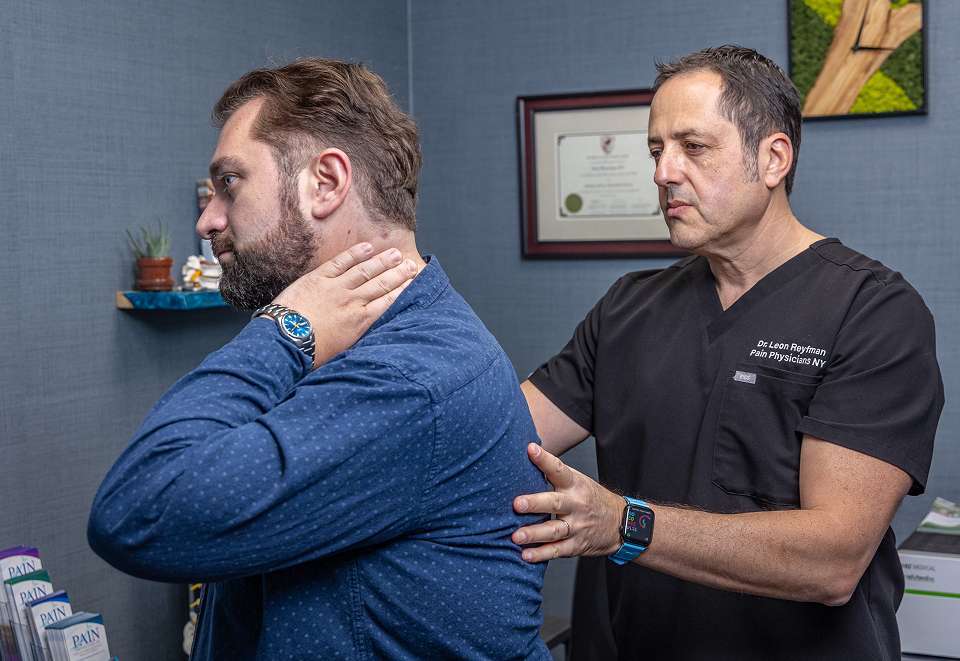
Regenerative joint therapy addresses a range of musculoskeletal conditions that cause pain, stiffness and limited mobility. If you have arthritis in your knee, hip or shoulder, your cartilage has broken down, causing inflammation, stiffness and pain. Regenerative joint therapy slows this process and repairs worn-out tissue. Other conditions that benefit from joint regeneration treatment include:

Sports injuries caused from overuse or impact respond effectively to regenerative joint therapy. It repairs your muscles and reduces recovery time. During recovery after orthopedic surgery, these treatments promote faster healing and rebuild your tissue strength effectively. If you suffer from chronic neck or back pain, regenerative treatments help reduce your pain and restore function.

Is Regenerative Joint Therapy Safe?

Safety is a major advantage of regenerative therapies. These therapies don’t require general anesthesia or extensive surgery. Regenerative joint treatment is a natural way to heal injured joints without artificial implants or long-term medication. Since the various therapies use your own cells or tissues, your risk of rejection or allergic reaction stays low.

There are little to no side effects from joint rejuvenation procedures. You may experience mild soreness, some swelling, minor bruising or redness at the injection site, which resolves quickly as your body recovers. Regenerative joint therapy offers several safety features and benefits, including:

  • Injections avoid large incisions, protecting your tissues and lowering infection risk.
  • OImage guidance targets your injury with greater precision for more accurate results and fewer complications.ngo
  • Treatments stimulate your body’s own healing process without straining your joints or the tissues around them.
  • Sterile procedures and careful processing keep the therapy free from infections.
  • Each session features a quick procedure time completed within an hour.
  • Reduced downtime allows you to get back to your normal routine with no need for a hospital stay.

Are the Results of Joint Regeneration Treatment Permanent?

Regenerative joint therapy provides you with long-term relief from joint pain, although it may not serve as a permanent fix. As your body gets older, your joints continue to undergo natural wear, so ongoing support may be necessary. Follow-up joint regeneration treatment maintains your flexibility and keeps your joints healthy for years.

Your results depend on the stage of your condition and how your body responds to healing. You may start to feel improvements within weeks, while more noticeable strength and flexibility often build up over the following months. Factors that affect how long your results last include:

  • If your joint damage is in the early stage, you’re likely to see longer-lasting results.
  • Staying consistent with exercises and therapy helps you keep your joints strong.
  • Maintaining a healthy lifestyle and choosing low-impact activities extend your results.
  • Supporting your body with good nutrition, circulation and immune health improves healing.

What’s the Cost of Regenerative Joint Treatments?

The cost of joint regeneration treatment depends on the type of therapy, the treatment area, the number of sessions and the clinic’s technology. Your personalized regenerative joint therapy plan influences how effective the treatment is and how much it costs overall. A regenerative joint therapy treatment plan generally consists of the components that include:

Investing in this treatment supports your long-term joint health and overall quality of life. To achieve the best recovery and get back to everyday living, trust top regenerative medicine specialists such as Dr. Leon Reyfman and his dedicated team. Contact Stem Cell Therapy NYC today for advanced, personalized care that supports long-lasting joint recovery.

What are regenerative therapies?

Regenerative therapies are treatments that help repair, restore, or replace damaged tissues using the body’s natural healing abilities, often through cells, growth factors, or biologically active materials.

What conditions can regenerative therapies help with?

They are commonly used for joint pain, tendon injuries, arthritis, ligament tears, chronic inflammation, and soft-tissue damage.

Are regenerative treatments safe?

Yes. Most regenerative therapies use your own cells or biologically compatible materials, which lowers the risk of allergic reactions or complications.

How long does it take to see results?

Results vary, but many patients notice improvement within a few weeks as the body begins repairing tissue. Full benefits often appear over several months.

Do regenerative therapies replace surgery?

In many cases, they can delay or reduce the need for surgery, especially for early-stage joint issues. However, severe damage may still require surgical intervention.

Page Updated on Mar 23, 2026 by Stem Cell Therapy
× DISCLAIMER: PLEASE READ CAREFULLY

The information on this website is provided for educational purposes only and is not intended as medical advice. Diagnosis and treatment decisions should always be made in consultation with a qualified healthcare provider following a thorough clinical evaluation. Individual results may vary.